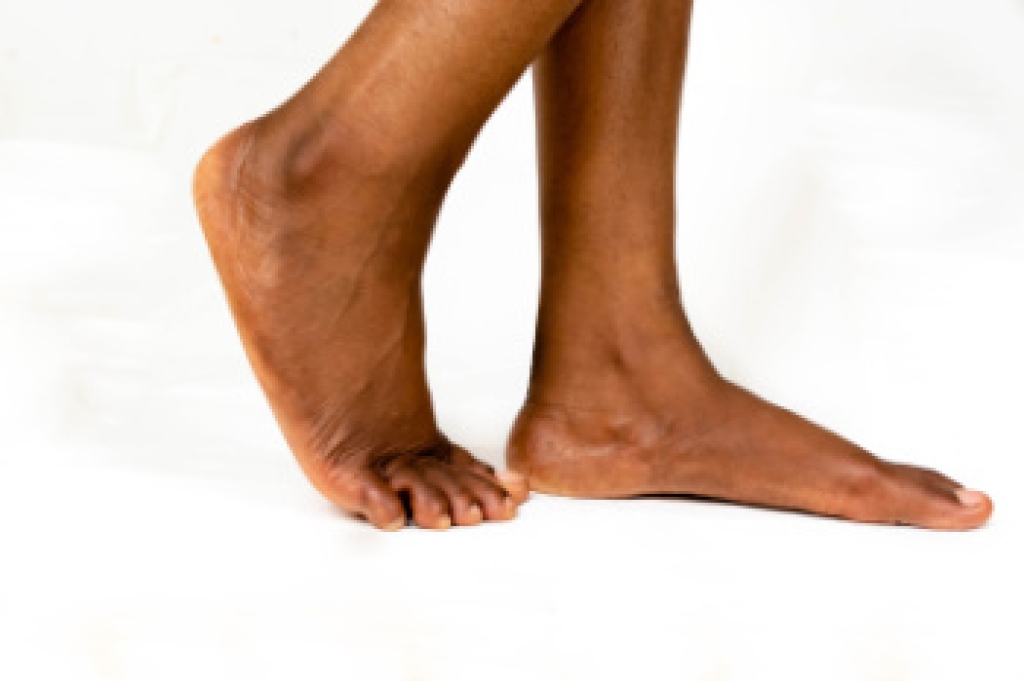
Flat feet occur when the arches are low or touch the ground while standing. Some people have flat arches from childhood and never develop symptoms. Others develop flatter feet because the tissues that support the arch weaken. The posterior tibial tendon runs along the inside of the ankle and helps hold up the arch. Arthritis, loose ligaments, or repeated strain can also change the foot's shape. Flat feet can affect one foot or both feet, and the degree of flattening varies between patients.
Symptoms include aching in the arch, heel, or inside of the ankle. Swelling can develop near the inner ankle when the posterior tibial tendon is irritated. Some patients notice tired feet, reduced balance, or difficulty standing for long periods of time. These changes can place added pressure on joints and soft tissues. Pain can worsen when walking, running, or climbing stairs. Shoes that lack proper support can increase discomfort. A sudden change in arch shape, weakness, or trouble rising onto the toes can indicate a need for medical attention.
A podiatrist can determine whether flat feet are flexible or stiff and identify the source of pain. The evaluation includes checking foot alignment, joint movement, and tendon strength. Weight-bearing X-rays can reveal changes in bone position or arthritis. Other imaging tests can provide a closer view of damaged tendons or ligaments. Treatment is based on the patient's symptoms and the extent of the changes. A podiatrist can recommend fitted shoes, custom orthotics, or a brace. A walking boot may protect an irritated tendon in painful cases. Early evaluation can help reduce strain and protect the foot from further changes. If you have foot pain related to flat feet, it is suggested that you schedule an appointment with a podiatrist for effective relief and management solutions.
Flatfoot is a condition many people suffer from. If you have flat feet, contact one of our doctors from Advanced Podiatry. Our doctors will treat your foot and ankle needs.
What Are Flat Feet?
Flatfoot is a condition in which the arch of the foot is depressed and the sole of the foot is almost completely in contact with the ground. About 20-30% of the population generally has flat feet because their arches never formed during growth.
Conditions & Problems:
Having flat feet makes it difficult to run or walk because of the stress placed on the ankles.
Alignment – The general alignment of your legs can be disrupted, because the ankles move inward which can cause major discomfort.
Knees – If you have complications with your knees, flat feet can be a contributor to arthritis in that area.
Symptoms
- Pain around the heel or arch area
- Trouble standing on the tip toe
- Swelling around the inside of the ankle
- Flat look to one or both feet
- Having your shoes feel uneven when worn
Treatment
If you are experiencing pain and stress on the foot you may weaken the posterior tibial tendon, which runs around the inside of the ankle.
If you have any questions, please feel free to contact our offices located in Needham, Norwood, and Hanover, MA . We offer the newest diagnostic and treatment technologies for all your foot care needs.
