Facts About Morton’s Neuroma

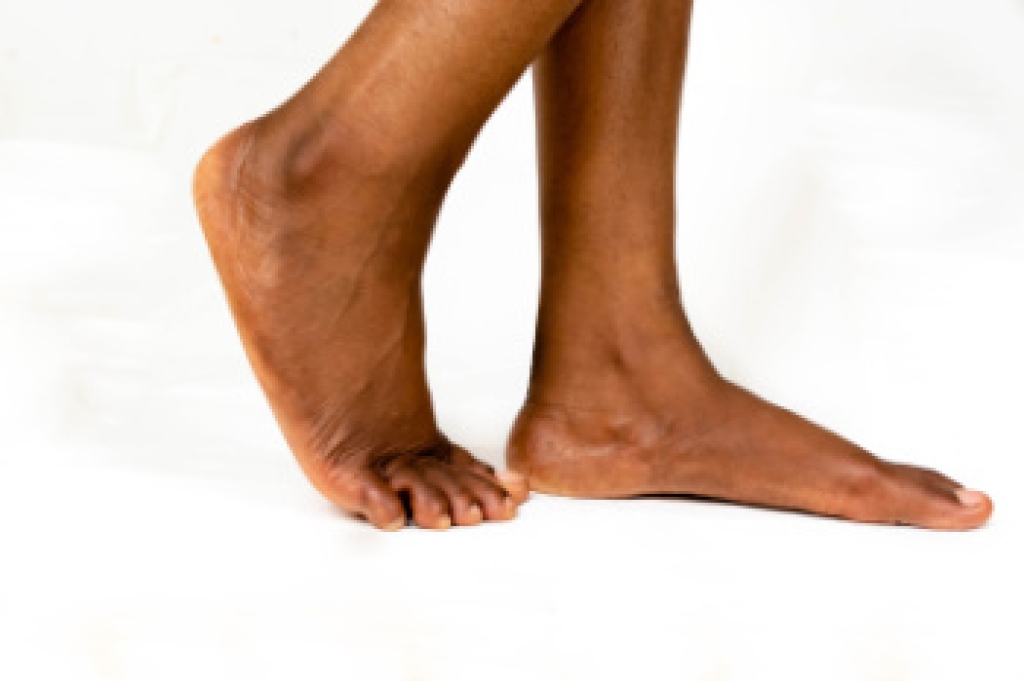
Morton’s neuroma is a painful condition caused by thickening of the nerve tissue between the toes, most often between the third and fourth toes. It develops when the nerve is irritated or compressed, leading to burning pain, numbness, or the feeling of a pebble in the shoe. Causes include repeated pressure on the forefoot, tight shoes, and activities that involve high impact. Risk factors include flat feet, high arches, bunions, and hammertoes, which can all change how weight is distributed across the foot. A podiatrist can diagnose the condition, relieve pressure on the nerve, recommend proper footwear, and provide targeted treatment to reduce symptoms. If you have pain in this part of your foot, it is suggested that you schedule a visit with a podiatrist who can provide an accurate diagnosis and appropriate treatment. 

Morton’s neuroma is a very uncomfortable condition to live with. If you think you have Morton’s neuroma, contact one of our doctors of Advanced Podiatry. Our doctors will attend to all of your foot care needs and answer any of your related questions.  

Morton’s Neuroma

Morton's neuroma is a painful foot condition that commonly affects the areas between the second and third or third and fourth toe, although other areas of the foot are also susceptible. Morton’s neuroma is caused by an inflamed nerve in the foot that is being squeezed and aggravated by surrounding bones.

What Increases the Chances of Having Morton’s Neuroma?

  • Ill-fitting high heels or shoes that add pressure to the toe or foot
  • Jogging, running or any sport that involves constant impact to the foot
  • Flat feet, bunions, and any other foot deformities

Morton’s neuroma is a very treatable condition. Orthotics and shoe inserts can often be used to alleviate the pain on the forefront of the feet. In more severe cases, corticosteroids can also be prescribed. In order to figure out the best treatment for your neuroma, it’s recommended to seek the care of a podiatrist who can diagnose your condition and provide different treatment options.

If you have any questions, please feel free to contact our offices located in Needham, Norwood, and Hanover, MA . We offer the newest diagnostic and treatment technologies for all your foot care needs.

Read more about Morton's Neuroma

Are You Suffering From Ingrown Toenails?

If left untreated, an ingrown toenail can lead to more serious concerns, such as an infection. Knowing proper nail care can help in the prevention of an ingrown toenail. Give us a call, and get treated!

Heel Spur Pain

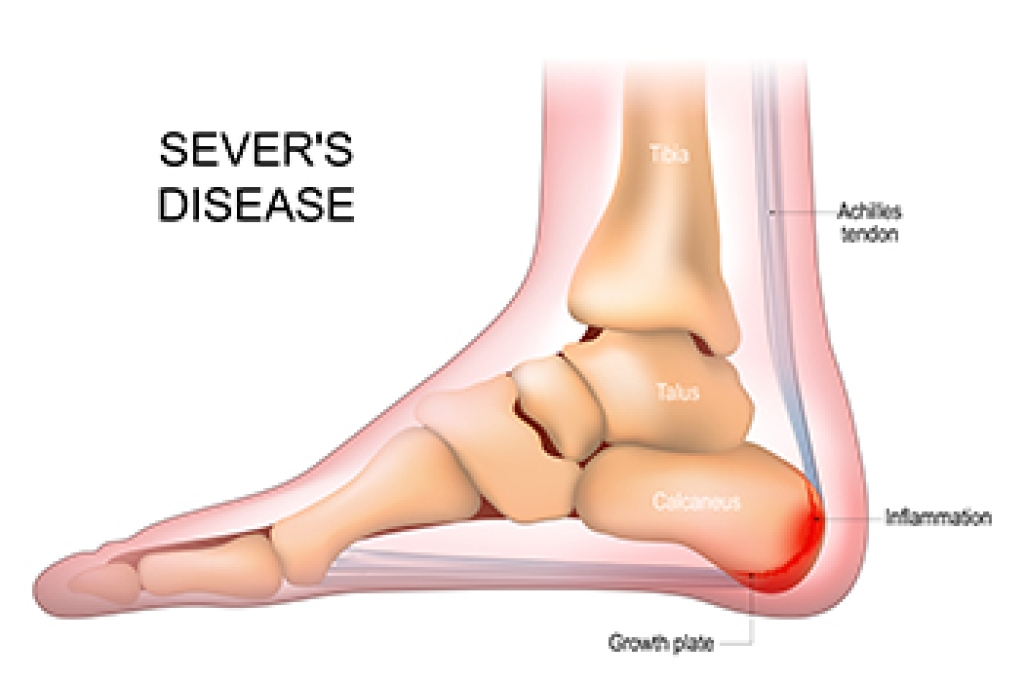
Heel spurs are bony growths that develop on the heel due to stress and inflammation in surrounding tissues. They are commonly seen in two forms. Heel spur syndrome affects the bottom of the heel, and insertional Achilles tendinitis affects the back of the heel where the tendon attaches. Risk factors include flat feet, high arches, excess weight, tight calf muscles, and repetitive impact activities. Symptoms may involve sharp heel pain, stiffness, and discomfort during the first steps of the day. A podiatrist can diagnose the condition, offer custom treatments, and provide guidance to relieve pain and improve function. If heel pain is limiting your daily life, it is suggested that you consult a podiatrist who can offer effective relief and treatment solutions.

Heel spurs can be incredibly painful and sometimes may make you unable to participate in physical activities. To get medical care for your heel spurs, contact one of our doctors from Advanced Podiatry. Our doctors will do everything possible to treat your condition.

Heels Spurs

Heel spurs are formed by calcium deposits on the back of the foot where the heel is. This can also be caused by small fragments of bone breaking off one section of the foot, attaching onto the back of the foot. Heel spurs can also be bone growth on the back of the foot and may grow in the direction of the arch of the foot.

Older individuals usually suffer from heel spurs and pain sometimes intensifies with age. One of the main condition's spurs are related to is plantar fasciitis.

Pain

The pain associated with spurs is often because of weight placed on the feet. When someone is walking, their entire weight is concentrated on the feet. Bone spurs then have the tendency to affect other bones and tissues around the foot. As the pain continues, the feet will become tender and sensitive over time.

Treatments

There are many ways to treat heel spurs. If one is suffering from heel spurs in conjunction with pain, there are several methods for healing. Medication, surgery, and herbal care are some options.

If you have any questions, please feel free to contact our offices located in Needham, Norwood, and Hanover, MA . We offer the newest diagnostic and treatment technologies for all your foot care needs.
Read more about How to Treat Heel Spurs

How Gout and Pseudogout Differ

Gout and pseudogout both cause sudden joint pain in the feet, but they come from different types of crystal buildup. Gout occurs when uric acid crystals form in a joint, usually in the big toe, causing redness, swelling, and intense pain. Pseudogout occurs when calcium crystals form in the cartilage and move into the joint, often affecting the ankle or midfoot. Both can cause warmth, tenderness, and stiffness that make it difficult to stand or walk. The pain from pseudogout can last longer and affect more than one joint, while gout usually affects one joint at a time. A podiatrist can determine which condition is present by examining the joint, ordering X-rays, or testing a small sample of joint fluid. Early diagnosis helps reduce pain and protect the joints from lasting damage. If you suffer from gout flare-ups, it is suggested that you make an appointment with a podiatrist for a diagnosis and treatment.

Gout is a painful condition that can be treated. If you are seeking treatment, contact one of our doctors from Advanced Podiatry. Our doctors will treat your foot and ankle needs.

What Is Gout?

Gout is a form of arthritis that is characterized by sudden, severe attacks of pain, redness, and tenderness in the joints. The condition usually affects the joint at the base of the big toe. A gout attack can occur at any random time, such as the middle of the night while you are asleep.

Symptoms

  • Intense Joint Pain - Usually around the large joint of your big toe, and it most severe within the first four to twelve hours
  • Lingering Discomfort - Joint discomfort may last from a few days to a few weeks
  • Inflammation and Redness -Affected joints may become swollen, tender, warm and red
  • Limited Range of Motion - May experience a decrease in joint mobility

Risk Factors

  • Genetics - If family members have gout, you’re more likely to have it
  • Medications - Diuretic medications can raise uric acid levels
  • Gender/Age - Gout is more common in men until the age of 60. It is believed that estrogen protects women until that point
  • Diet - Eating red meat and shellfish increases your risk
  • Alcohol - Having more than two alcoholic drinks per day increases your risk
  • Obesity - Obese people are at a higher risk for gout

Prior to visiting your podiatrist to receive treatment for gout, there are a few things you should do beforehand. If you have gout you should write down your symptoms--including when they started and how often you experience them, important medical information you may have, and any questions you may have. Writing down these three things will help your podiatrist in assessing your specific situation so that he or she may provide the best route of treatment for you.

If you have any questions, please feel free to contact our offices located in Needham, Norwood, and Hanover, MA . We offer the newest diagnostic and treatment technologies for all your foot care needs.

Read more about Gout

Types and Grades of Ankle Sprains

An ankle sprain occurs when the ligaments supporting the ankle stretch or tear, often due to twisting or rolling the foot. Sprains are classified by grade. Grade one is mild, involving slight stretching with minimal swelling or pain. Grade two is moderate, with partial tearing, noticeable swelling, bruising, and limited mobility. Grade three is severe, a complete ligament tear causing significant instability, swelling, and difficulty bearing weight. Risk factors include previous sprains, weak ankle muscles, uneven surfaces, and wearing improper footwear. Symptoms typically include pain, swelling, bruising, and difficulty walking. A podiatrist can evaluate the severity of the injury, recommend supportive braces and guide recovery to prevent long-term instability. If you think you have sprained your ankle, it is suggested that you consult a podiatrist who can provide a proper diagnosis and treatment.

Ankle sprains are common but need immediate attention. If you need your feet checked, contact one of our doctors from Advanced Podiatry. Our doctors can provide the care you need to keep you pain-free and on your feet.

How Does an Ankle Sprain Occur?

Ankle sprains take place when the ligaments in your ankle are torn or stretched beyond their limits. There are multiple ways that the ankle can become injured, including twisting or rolling over onto your ankle, putting undue stress on it, or causing trauma to the ankle itself.

What Are the Symptoms?

  • Mild to moderate bruising
  • Limited mobility
  • Swelling
  • Discoloration of the skin (depending on severity)

Preventing a Sprain

  • Wearing appropriate shoes for the occasion
  • Stretching before exercises and sports
  • Knowing your limits

Treatment of a Sprain

Treatment of a sprain depends on the severity.  Many times, people are told to rest and remain off their feet completely, while others are given an air cast. If the sprain is very severe, surgery may be required.

If you have suffered an ankle sprain previously, you may want to consider additional support such as a brace and regular exercises to strengthen the ankle.

If you have any questions please feel free to contact our offices located in Needham, Norwood, and Hanover, MA . We offer the newest diagnostic tools and technology to treat your foot and ankle needs.

Read more about Ankle Sprains

Connect With Us

scroll to top