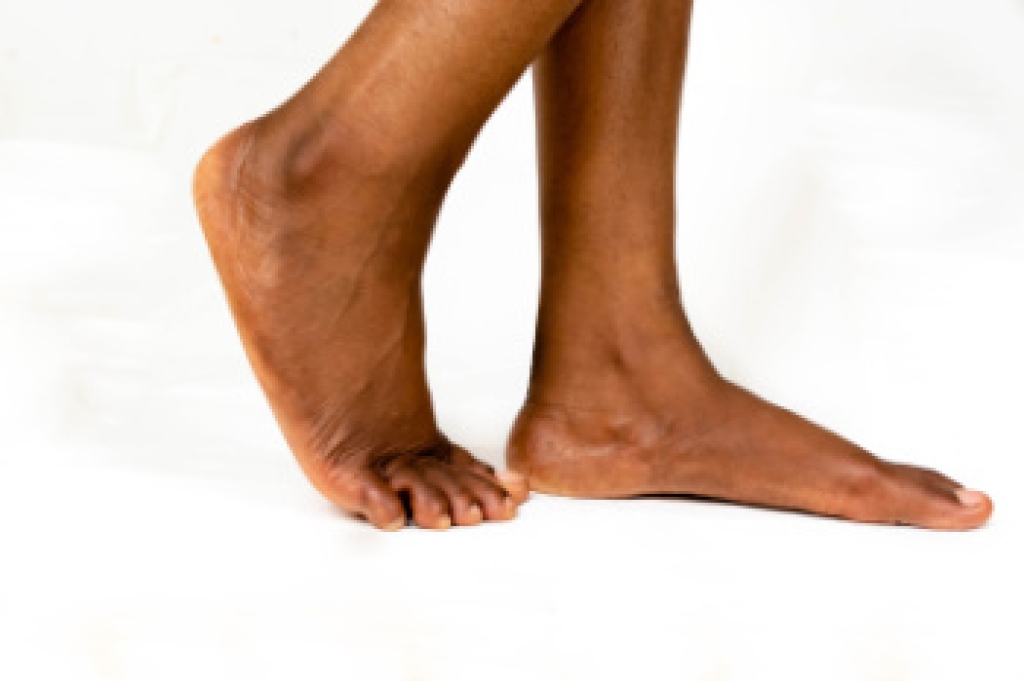
Running With Plantar Fasciitis

Running with plantar fasciitis can be difficult because it puts stress on the bottom of the foot. The plantar fascia is a strong band of tissue that supports the arch and absorbs impact during movement. When this tissue becomes irritated, runners may feel sharp heel pain or soreness along the foot. Continuing to run without proper precautions can increase strain and delay healing. A podiatrist can examine foot structure, walking patterns, and running form to find the source of stress. Imaging may be used to confirm the condition and rule out other problems. Suggestions for running with plantar fasciitis include custom orthotics, better footwear support, and a plan to improve strength and flexibility in the foot and ankle. If you are a runner with symptoms of plantar fasciitis, it is suggested that you schedule an appointment with a podiatrist for a diagnosis and a safe activity plan.

Plantar fasciitis can be very painful and inconvenient. If you are experiencing heel pain or symptoms of plantar fasciitis, contact one of our doctors  from Advanced Podiatry. Our doctors can provide the care you need to keep you pain-free and on your feet.

What Is Plantar Fasciitis?

Plantar fasciitis is the inflammation of the thick band of tissue that runs along the bottom of your foot, known as the plantar fascia, and causes mild to severe heel pain.

What Causes Plantar Fasciitis?

  • Excessive running
  • Non-supportive shoes
  • Overpronation
  • Repeated stretching and tearing of the plantar fascia

How Can It Be Treated?

  • Conservative measures – anti-inflammatories, ice packs, stretching exercises, physical therapy, orthotic devices
  • Shockwave therapy – sound waves are sent to the affected area to facilitate healing and are usually used for chronic cases of plantar fasciitis
  • Surgery – usually only used as a last resort when all else fails. The plantar fascia can be surgically detached from the heel

While very treatable, plantar fasciitis is definitely not something that should be ignored. Especially in severe cases, speaking to your doctor right away is highly recommended to avoid complications and severe heel pain. Your podiatrist can work with you to provide the appropriate treatment options tailored to your condition.

If you have any questions, please feel free to contact our offices located in Needham, Norwood, and Hanover, MA . We offer the newest diagnostic and treatment technologies for all your foot care needs.


Read more about Plantar Fasciitis

Exercise and Relief for Plantar Fasciitis

Plantar fasciitis is a painful condition that causes heel and arch discomfort, especially with the first steps in the morning. Exercise can play an important role in easing symptoms and improving function over time. Strengthening the small and large muscles of the foot helps support the arch and reduce strain on the plantar fascia. Working the muscles of the hips, especially those that stabilize movement, can also improve alignment and reduce stress placed on the feet while walking or running. Simple stretching on its own can help loosen tight tissues and improve flexibility, which may decrease tension and pain. These approaches are often more effective when combined and guided properly. A podiatrist can create a plan that targets your specific needs and monitor your progress to prevent setbacks. If you have ongoing heel pain, it is suggested that you seek care from a podiatrist.

Stretching the feet is a great way to prevent injuries. If you have any concerns with your feet consult with one of our doctors from Advanced Podiatry. Our doctors will assess your condition and provide you with quality foot and ankle treatment.

Stretching the Feet

Stretching the muscles in the foot is an important part in any physical activity. Feet that are tight can lead to less flexibility and make you more prone to injury. One of the most common forms of foot pain, plantar fasciitis, can be stretched out to help ease the pain. Stretching can not only ease pain from plantar fasciitis but also prevent it as well. However, it is important to see a podiatrist first if stretching is right for you. Podiatrists can also recommend other ways to stretch your feet. Once you know whether stretching is right for you, here are some excellent stretches you can do.

  • Using a foam roller or any cylindrical object (a water bottle or soda can will do), roll the object under your foot back and forth. You should also exert pressure on the object. Be sure to do this to both feet for a minute. Do this exercise three times each.
  • Similar to the previous one, take a ball, such as a tennis ball, and roll it under your foot while seated and exert pressure on it.
  • Grab a resistance band or towel and take a seat. If you are using a towel, fold it length wise. Next put either one between the ball of your foot and heel and pull with both hands on each side towards you. Hold this for 15 seconds and then switch feet. Do this three times for each foot.
  • Finally hold your big toe while crossing one leg over the other. Pull the toe towards you and hold for 15 seconds. Once again do this three times per foot.

It is best to go easy when first stretching your foot and work your way up. If your foot starts hurting, stop exercising and ice and rest the foot. It is advised to then see a podiatrist for help.

If you have any questions please contact our offices located in Needham, Norwood, and Hanover, MA . We offer the newest diagnostic and treatment technologies for all your foot and ankle needs.

Read more about Stretching Your Feet

How Fibromyalgia Affects the Feet

Fibromyalgia is a chronic pain condition that can affect the feet and make movement difficult. Many people report sharp pain in the soles or tops of the feet. The pain can come and go. It may last for long periods and worsen with standing or walking. This foot pain can change the way a person walks and lead to strain in the ankles, knees, hips, and lower back. The cause of foot pain is not fully understood, but it may involve sensitive nerves and irritation of the plantar fascia, a band of tissue that supports the foot. A podiatrist can evaluate foot structure, check motion, and identify pressure points. Treatment plans include custom orthotics, which are shoe inserts designed to improve support and reduce strain, along with supportive devices and monitoring. If you have foot pain as a result of fibromyalgia, it is suggested that you make an appointment with a podiatrist for help.

When dealing with systemic disease of the feet, it is extremely important to check the affected areas routinely so that any additional problems are caught quickly.  If you have any concerns about your feet and ankles contact one of our doctors from Advanced Podiatry. Our doctors will assist you with all of your podiatric needs.

Systemic Diseases of the Feet

Systemic diseases affect the whole body, and symptoms usually are displayed in the feet. This condition can make a patient’s ability to walk unbearable.  Systemic diseases include gout, diabetes mellitus, neurological disorders, and arthritis.

Gout – is caused by an excess of uric acid in the body. Common symptoms include pain, inflammation, and redness at the metatarsal/phalangeal joint of the base big toe. Gout can be treated by NSAIDs to relieve pain and inflammation, and other drugs that lower the acid levels in the body.

Diabetes mellitus – is an increase in the level of blood sugar that the body cannot counteract with its own insulin. Failure to produce enough insulin is a factor in Diabetes.

Diabetes of the Feet

Diabetic Neuropathy – may lead to damaged nerves and affect the feet through numbness and loss of sensation.

Peripheral Vascular Disease – can restrict the blood flow to the feet, and often times lead to amputation of the feet. 

If you have any questions please contact our offices located in Needham, Norwood, and Hanover, MA . We offer the newest diagnostic and treatment technologies for all your foot and ankle needs.

Read more about Systemic Diseases of the Foot

It's Time for Beautiful Feet

You don't need an excuse to have beautiful nails. Step outside without worrying about the appearance of your feet.

Gout and How It Differs From a Bunion

Gout is a form of inflammatory arthritis caused by the buildup of uric acid crystals in the joints, most often affecting the big toe. It differs from a bunion, which is a structural deformity where the big toe gradually shifts inward due to joint misalignment. Gout commonly affects men, postmenopausal women, and individuals who consume high purine foods such as red meat and certain seafood. Symptoms include sudden, intense pain, redness, swelling, and warmth in the affected joint. Risk factors include obesity, kidney disease, alcohol intake, and genetics. A podiatrist can diagnose the condition, manage flare ups, recommend dietary changes, and provide medications or supportive footwear to reduce pressure on the joint. If you have symptoms of gout, it is suggested that you are under the care of a podiatrist who can help you to manage this painful condition.

Gout is a foot condition that requires certain treatment and care. If you are seeking treatment, contact one of our doctors from Advanced Podiatry. Our doctors will treat your foot and ankle needs.

What Is Gout?

Gout is a type of arthritis caused by a buildup of uric acid in the bloodstream. It often develops in the foot, especially the big toe area, although it can manifest in other parts of the body as well. Gout can make walking and standing very painful and is especially common in diabetics and the obese.

People typically get gout because of a poor diet. Genetic predisposition is also a factor. The children of parents who have had gout frequently have a chance of developing it themselves.

Gout can easily be identified by redness and inflammation of the big toe and the surrounding areas of the foot. Other symptoms include extreme fatigue, joint pain, and running high fevers. Sometimes corticosteroid drugs can be prescribed to treat gout, but the best way to combat this disease is to get more exercise and eat a better diet.

If you have any questions, please feel free to contact our offices located in Needham, Norwood, and Hanover, MA . We offer the newest diagnostic and treatment technologies for all your foot care needs.
Read more about Everything You Need to Know About Gout

Connect With Us

scroll to top