
You don't need an excuse to have beautiful nails. Step outside without worrying about the appearance of your feet.
You don't need an excuse to have beautiful nails. Step outside without worrying about the appearance of your feet.
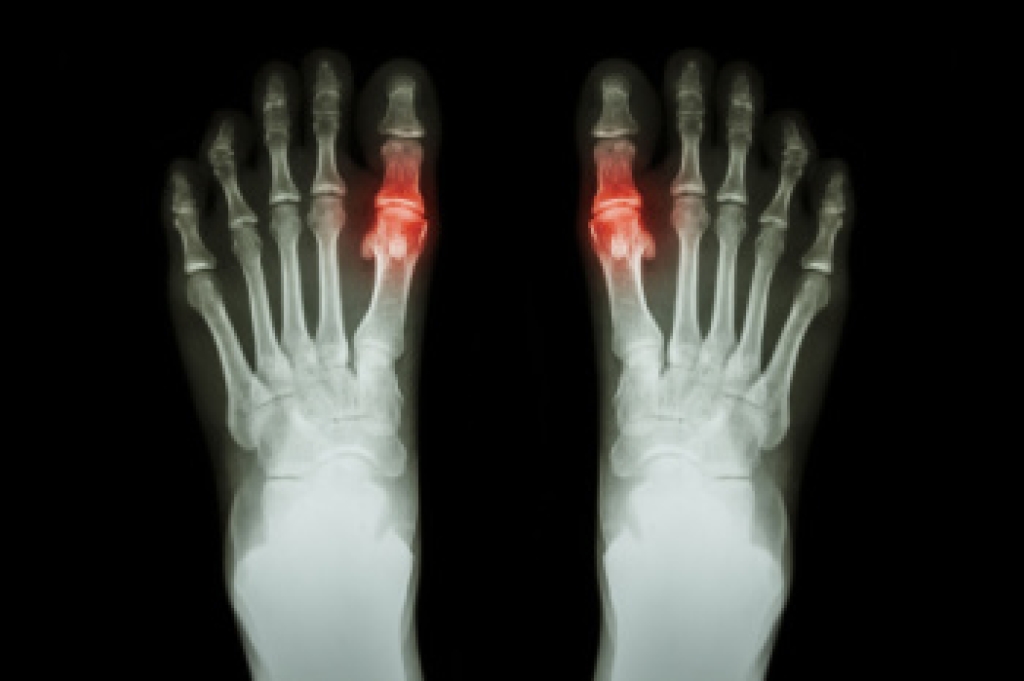
Gout is a form of inflammatory arthritis caused by the buildup of uric acid crystals in the joints, most often affecting the big toe. It differs from a bunion, which is a structural deformity where the big toe gradually shifts inward due to joint misalignment. Gout commonly affects men, postmenopausal women, and individuals who consume high purine foods such as red meat and certain seafood. Symptoms include sudden, intense pain, redness, swelling, and warmth in the affected joint. Risk factors include obesity, kidney disease, alcohol intake, and genetics. A podiatrist can diagnose the condition, manage flare ups, recommend dietary changes, and provide medications or supportive footwear to reduce pressure on the joint. If you have symptoms of gout, it is suggested that you are under the care of a podiatrist who can help you to manage this painful condition.
Gout is a foot condition that requires certain treatment and care. If you are seeking treatment, contact one of our doctors from Advanced Podiatry. Our doctors will treat your foot and ankle needs.
What Is Gout?
Gout is a type of arthritis caused by a buildup of uric acid in the bloodstream. It often develops in the foot, especially the big toe area, although it can manifest in other parts of the body as well. Gout can make walking and standing very painful and is especially common in diabetics and the obese.
People typically get gout because of a poor diet. Genetic predisposition is also a factor. The children of parents who have had gout frequently have a chance of developing it themselves.
Gout can easily be identified by redness and inflammation of the big toe and the surrounding areas of the foot. Other symptoms include extreme fatigue, joint pain, and running high fevers. Sometimes corticosteroid drugs can be prescribed to treat gout, but the best way to combat this disease is to get more exercise and eat a better diet.
If you have any questions, please feel free to contact our offices located in Needham, Norwood, and Hanover, MA . We offer the newest diagnostic and treatment technologies for all your foot care needs.

Foot health often changes during pregnancy as the body adapts to support a growing baby. The center of gravity shifts due to the increased uterus and body mass, placing added pressure on the feet and altering posture. Hormonal changes, especially increased relaxin, can cause ligaments to loosen, leading the feet to become longer, flatter, and broader, over time. Swelling is also common, and may make it difficult to find comfortable and supportive shoes. These changes can contribute to discomfort and fatigue with daily activities. A podiatrist can help by evaluating foot structure, recommending proper footwear, and providing guidance to reduce strain and swelling. If your feet are uncomfortable during your pregnancy, it is suggested that you consult a podiatrist who can offer appropriate relief tips.
Pregnant women with swollen feet can be treated with a variety of different methods that are readily available. For more information about other cures for swollen feet during pregnancy, consult with one of our doctors from Advanced Podiatry. Our doctors will attend to all of your foot and ankle needs.
What Foot Problems Can Arise During Pregnancy?
One problem that can occur is overpronation, which occurs when the arch of the foot flattens and tends to roll inward. This can cause pain and discomfort in your heels while you’re walking or even just standing up, trying to support your baby.
Another problem is edema, or swelling in the extremities. This often affects the feet during pregnancy but tends to occur in the later stages.
How Can I Keep My Feet Healthy During Pregnancy?
If you have any questions, please feel free to contact our offices located in Needham, Norwood, and Hanover, MA . We offer the newest diagnostic and treatment technologies for all your foot care needs.
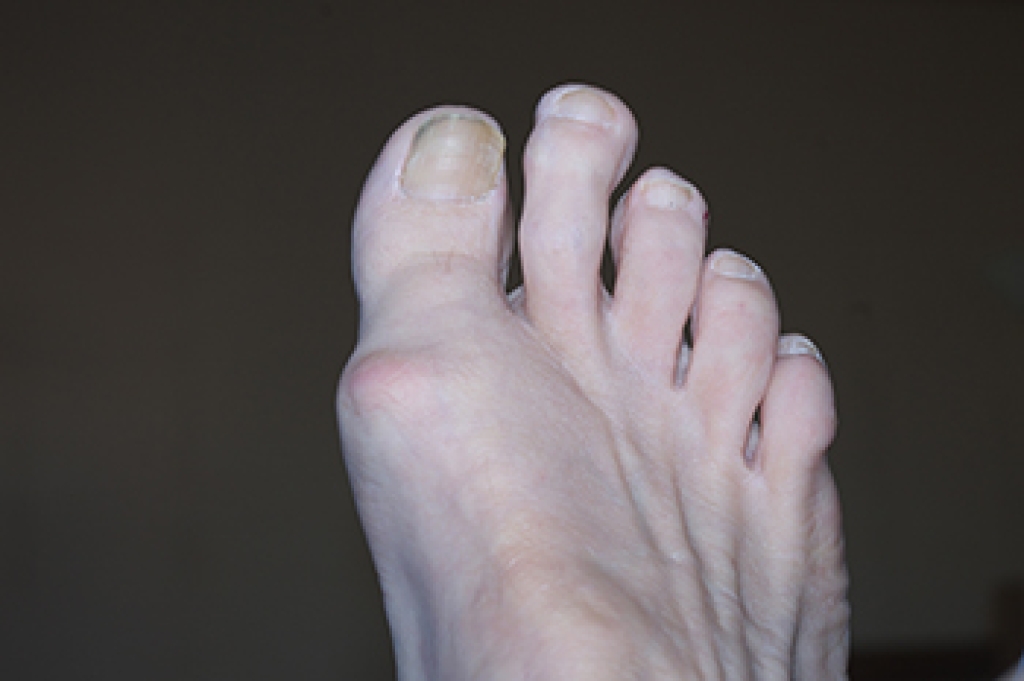
Some people have a second toe that appears longer than the big toe, often called Morton’s toe. It is actually caused by a shorter bone in the big toe and can change how weight is spread across the front of the foot. More pressure may shift onto the second toe. This can lead to pain, buildup of calluses, and soreness in the ball of the foot. This uneven pressure can affect how you walk and may place extra strain on nearby joints. A podiatrist can examine the foot, watch how you walk, and take X-rays to better understand bone position. Treatment options include custom shoe inserts to improve weight balance, protective padding, or surgery in more severe cases to adjust bone length. Early care can help reduce stress on the toes and improve comfort during daily activities. If you are experiencing such toe pain, it is suggested that you make an appointment with a podiatrist for treatment.
Toe pain can disrupt your daily activities. If you have any concerns, contact one of our doctors of Advanced Podiatry. Our doctors can provide the care you need to keep you pain-free and on your feet.
What Causes Toe Pain?
Most severe toe pain is caused due to a sports injury, trauma from dropping something heavy on the toe, or bumping into something rigid. Other problems can develop over time for various reasons.
Toe pain can be caused by one or more ailments. The most common include:
When to See a Podiatrist
Diagnosis
In many cases the cause of toe pain is obvious, but in others, a podiatrist may want to use more advanced methods to determine the problem. These can range from simple visual inspections and sensation tests to X-rays and MRI scans. Prior medical history, family medical history, and any recent physical traumatic events will all be taken into consideration for a proper diagnosis.
Treatment
Treatments for toe pain and injuries vary and may include shoe inserts, padding, taping, medicines, injections, and in some cases, surgery. If you believe that you have broken a toe, please see a podiatrist as soon as possible.
If you have any questions please contact our offices located in Needham, Norwood, and Hanover, MA . We offer the newest diagnostic and treatment technologies for all your foot and ankle needs.
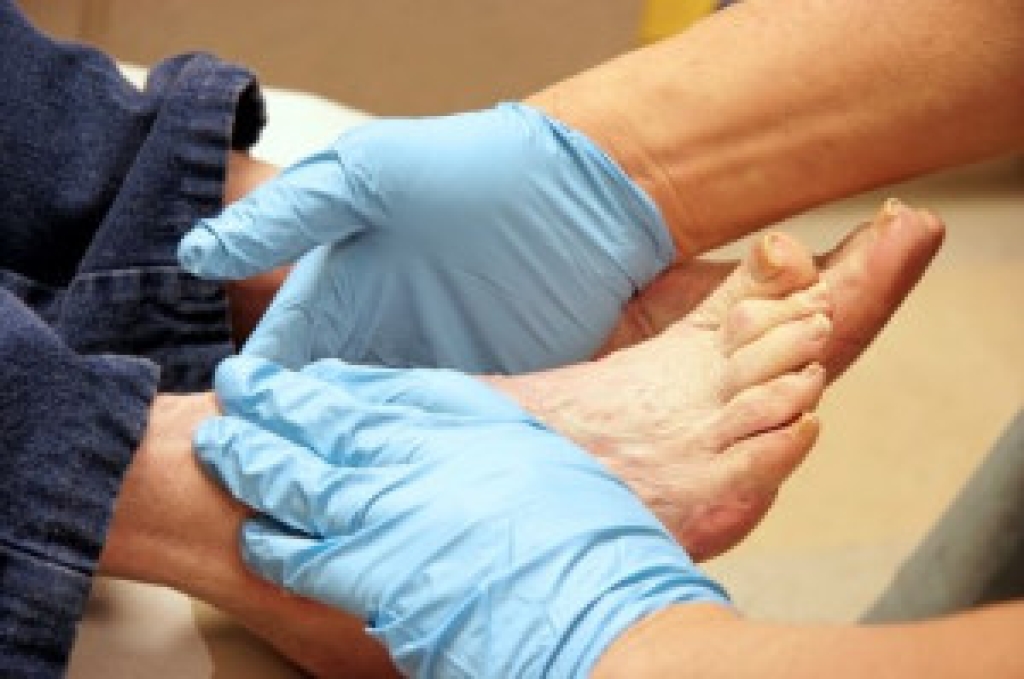
Diabetic limb salvage is a set of treatments aimed at preventing limb loss in people with severe foot complications from diabetes. It is often necessary due to conditions such as a severe form of peripheral artery disease, foot ulcers, or gangrene caused by poor circulation and nerve damage. Risk factors include long-standing diabetes, infection, and delayed wound care. The process involves restoring blood flow, removing infected tissue, and promoting healing through advanced medical care. A podiatrist plays an essential role by identifying problems early, managing wounds, and coordinating care to improve outcomes. If you have diabetes and notice non-healing wounds, discoloration, or severe pain in your feet, it is strongly suggested that you seek prompt professional care from a podiatrist who can guide you toward effective management solutions.
Diabetic Limb Salvage
Diabetic limb salvage can be an effective way in preventing the need for limb amputation. If you have a foot ulcer and diabetes, consult with one of our doctors from Advanced Podiatry. Our doctors will assess your condition and provide you with quality foot and ankle treatment.
What Is Diabetic Limb Salvage?
Diabetic limb salvage is the attempt of saving a limb, such as the foot, that has an infected ulcer, from amputation. Podiatrists also try to make sure that there is enough function in the foot after the salvage that it is still usable. Those with diabetes experience poor blood circulation, which prevents proper healing of an ulcer. If the ulcer is left uncheck, it could become infected, which could result in the need for amputation.
Diabetes is the number one cause of non-traumatic amputations in the United States. Amputation has been found to lead to higher mortality rates. This translates into higher healthcare costs, and a reduced quality of life and mobility for amputees. Podiatrists have attempted to increase the prevalence of limb salvage in an attempt to solve these issues.
Diagnosis and Treatment
Limb salvage teams have grown in recent years that utilize a number of different treatments to save the infected limb. This includes podiatrists that specialize in wound care, rehabilitation, orthotics, and surgery. Through a combination of these methods, limb salvage has been found to be an effective treatment for infected limbs, and as an alternative to amputation. Podiatrists will first evaluate the potential for limb salvage and determine if the limb can be saved or must be amputated.
If you have any questions, please feel free to contact our offices located in Needham, Norwood, and Hanover, MA . We offer the newest diagnostic and treatment technologies for all your foot care needs.
Connect With Us
